Who gives the best deal? The operators which own the networks, or the MVNOs using their networks to offer a cheaper service?
The UK’s four mobile operators – Three, O2, Vodafone and EE – have been tested against companies piggybacking off their networks (known as MVNOs) in a first of its kind comparison by SignalTracker.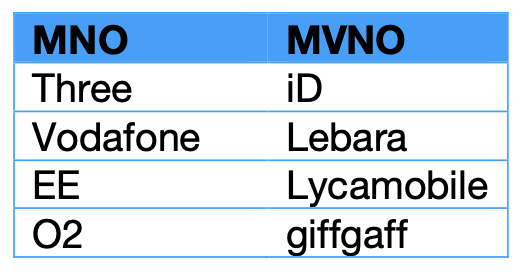
In tests across the UK in a range of urban, suburban and rural environments, SignalTracker found that while parent networks (known as MNOs) have slightly better download speeds than the MVNOs, the overall levels are reasonable, meaning that many customers are unlikely to notice the difference.
MNOs are also more reliable than their MVNOs, based on the number of test failures in our surveys – see graph below.
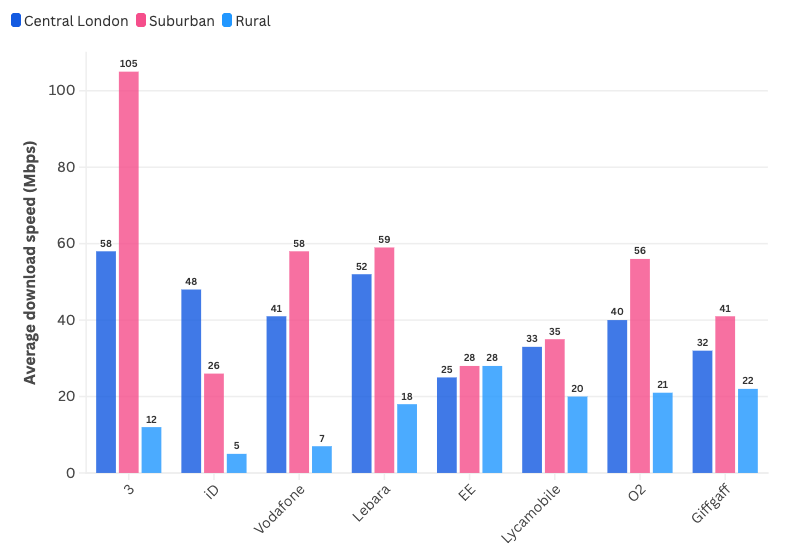
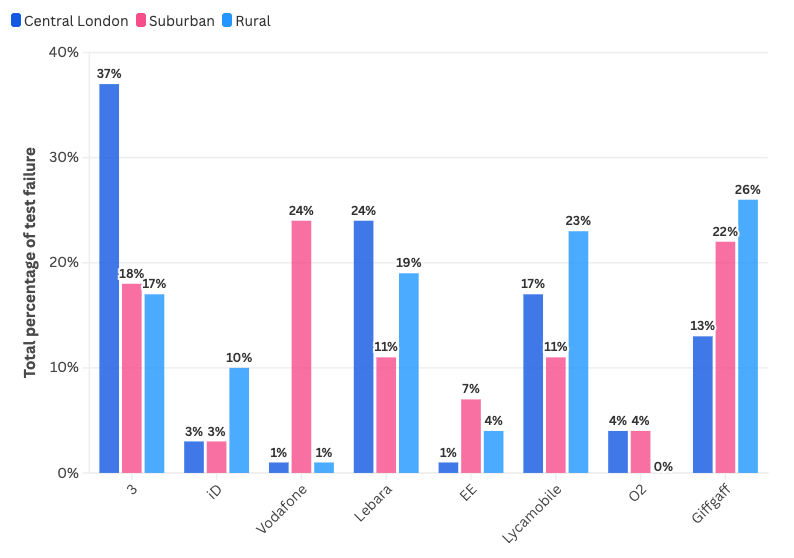
Our speed tests showed similar results for MVNOs and MNOs so how should consumers choose?
Price. Breaking it down, on a one month contract with a cancel anytime offer, you will be getting the best prices from an MVNO, as MNOs often run better savings across 12 and particularly 24 month contracts. The contracts we used for the tests show the benefits of MVNOs:
*Prices correct at the time of writing in late August
Some standouts here include Lycamobile – £12.50 for 30 days is incredible value, especially when the performance from the two networks is so close.
However, it is also worth considering MNO’s new selling point that MVNOs do not offer – 5G standalone (5G SA). This does not rely on 4G infrastructure – unlike 5G non-standalone (5G NSA) – so it is faster and has improved latency. Expected download speeds on 5G SA are expected to be up to 100 Mbps, which allows things like gaming and 4k streaming while on the move.
So, while MVNOs charge significantly less, if you want faster download speeds and greater reliability; and don’t mind longer contracts, then an MNO 5G SA deal might be preferable.
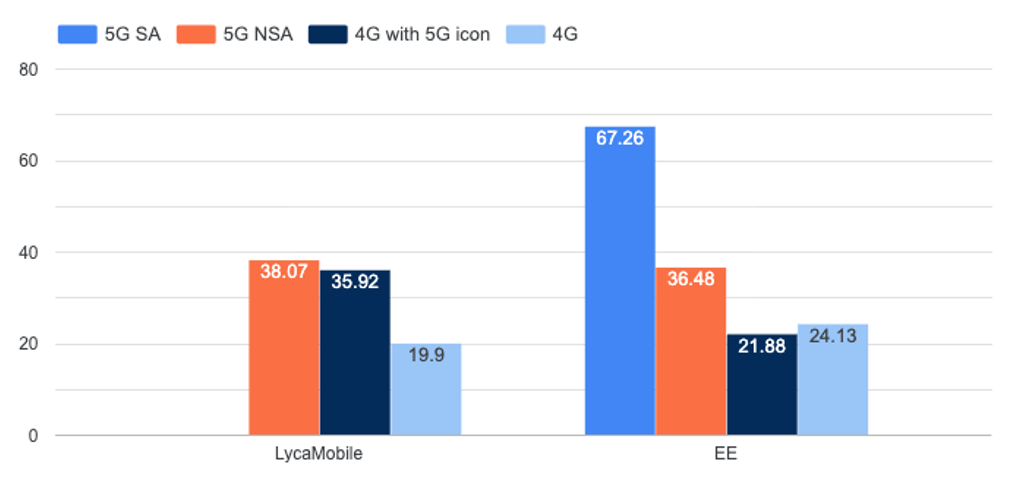
Download speeds by mobile technology on EE and Lyca
The research was carried out by our parent company PolicyTracker, and to view it in full, complete this form.
